Before You Cut the Gown: A Field Guide to Giving Your Wedding Dress a Second Life
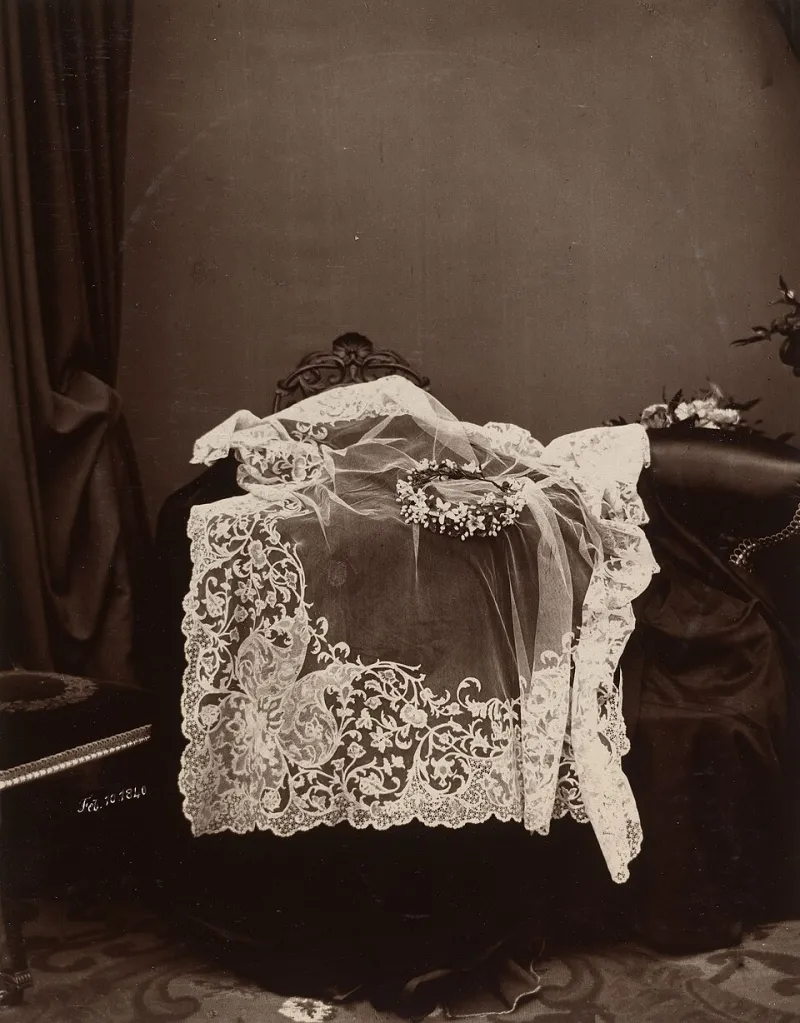
Photo: Hughes & Mullins, Public domain, via Wikimedia Commons
Somewhere in an American closet right now is a wedding dress. It has been there for four years, or fourteen, or forty. It was worn once. It cost what a decent vacation costs. And its owner feels genuinely conflicted about it — too meaningful to donate, too unworn to justify, too bulky to keep ignoring.
If that description stings a little, good news: there's a whole ecosystem of makers who have built a craft around exactly this problem. And the transformations they're doing are genuinely worth seeing.
Why the Dress Won't Let Us Let Go
A wedding dress is the most emotionally loaded garment most people will ever own. It's not just fabric — it's the day, the person you married, the version of yourself who made a giant public promise. That's why it sits in the closet for a decade. You can't wear it again, but you can't quite file it under "stuff."
Upcycling resolves the standoff. The dress doesn't get thrown away or forgotten. It becomes something you actually use, which means the meaning comes along for the ride — out of the garment bag and into your life.
The Transformations People Are Actually Commissioning
The christening gown. This is the classic, and for good reason. A gown made from a wedding dress turns one family milestone into the raw material for another. Grandmothers have done this for generations; a new wave of makers is doing it with modern construction and heirloom detailing. Some families commission one gown that gets worn by every child and grandchild, each baptism adding to its story.
The everyday piece. This is where things get interesting. Makers are deconstructing gowns into pieces people actually wear: a silk camisole, a bias-cut skirt, a lined denim jacket with the gown's lace appliquéd across the shoulders. One maker we spoke to specializes in turning bodices into structured vests — "the client wears her wedding to client meetings," she said. "She calls it her power dress."
The baby quilt or keepsake blanket. For dresses too damaged or too beaded to reconstruct, a quilt preserves the fabric in a form the whole family can use. It's also the gentlest option for people who can't bear the idea of cutting into the dress — a quilt uses pieces, not the whole.
The anniversary piece. Some couples commission something for year one, five, or ten: matching pocket squares, a slip dress for a vow renewal, a small heart patch sewn into a partner's jacket lining.
Real Talk From the Transformation Chair
One maker in North Carolina walked me through a recent project: a client's mother's 1978 gown, yellowed at the hem, sleeves beyond saving. Together they decided the sleeves became the lining of a jewelry pouch, the bodice lace framed the neckline of a blouse, and the train — six feet of pristine silk — became a Christmas tree skirt the family will unpack every December.
"The client cried at pickup," the maker said. "Then she wore the blouse to Thanksgiving. That's the win. The dress is out of the closet and back in the family's life."
That's the pattern across almost every transformation story: the goal isn't preserving the dress. It's reactivating it.
Questions to Ask Before You Commit to the Scissors
Upcycling is irreversible, so go in with clear eyes. Ask any maker you're considering:
-
What condition is the fabric actually in? Thirty-year-old silk and lace can be fragile, yellowed, or brittle at stress points. A good maker will assess this honestly before promising anything.
-
Which parts matter most to you? If the lace hem is the emotional core, protect it. If it's the beadwork or the buttons, say so upfront. Every transformation involves trade-offs.
-
What's the timeline? Heirloom work is slow work. If you want a christening gown for a specific date, start months ahead — not weeks.
-
Can we save the parts we don't use? Ask for unused fabric, buttons, and lace to be returned to you in a labeled bag. Future-you will be grateful.
-
Can I see similar transformations? Any maker doing this work regularly will have photos, references, or a portfolio of past gowns.
The Dress You Actually Keep Wearing
Here's the quiet truth under all of this: a wedding dress in a garment bag is a museum exhibit. A wedding dress reborn as a jacket you reach for on crisp fall mornings, or a gown your daughter is baptized in, or a quilt your grandkids pile under on movie nights — that's a dress doing what clothes are supposed to do.
You paid for it once. It's time it paid you back. Find a maker, ask the hard questions, and let the most expensive dress of your life finally get the long, useful, storied afterlife it deserves.