The Custom Wardrobe Fix: How Handmade Pieces Finally Ended My 'I Have Nothing to Wear' Spiral
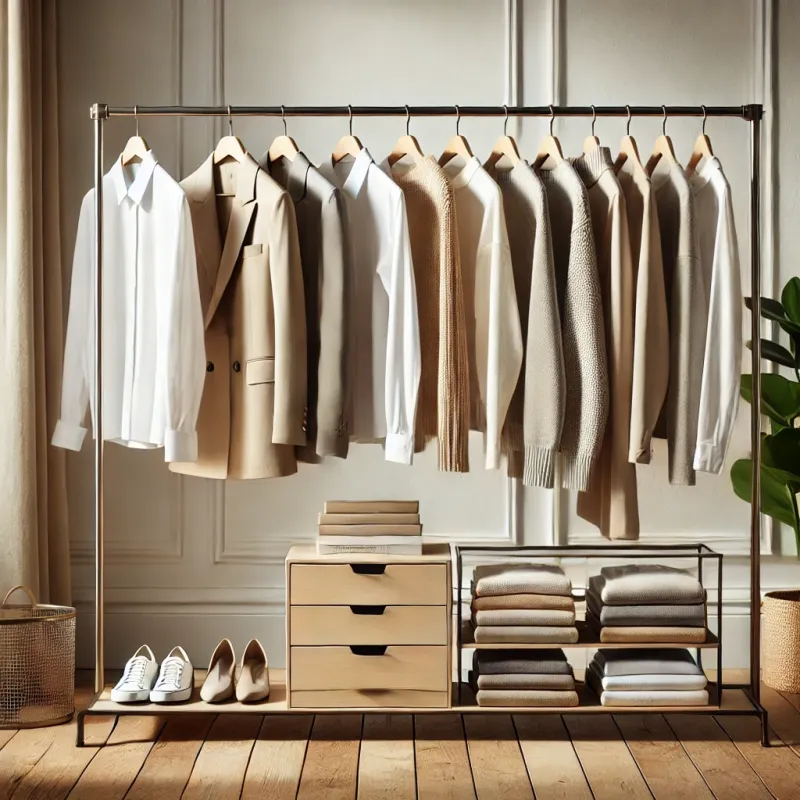
Photo: organized minimalist wardrobe with handmade artisan clothing pieces, via sublimejoias.com.br
You know the scene. It's 7:45 a.m., you've got somewhere to be, and you're standing in front of a closet so full it barely closes — feeling completely, utterly stuck. Nothing fits right. Nothing feels like you. Half of it still has tags on. You grab the same worn-in jeans and a shirt you've had since college and head out the door, vaguely defeated.
This isn't a niche experience. According to a 2022 survey by OnePoll, the average American spends 17 minutes every morning deciding what to wear — and still ends up dissatisfied about 40% of the time. We've been sold the idea that more is more. More options, more sale hauls, more seasonal trends. But what if the answer to wardrobe paralysis isn't more — it's better?
That's the quiet revolution happening in custom and handmade fashion right now. And once you see it, you can't unsee it.
Why More Clothes Doesn't Mean More Options
Decision fatigue is real, and your closet might be the biggest culprit in your morning routine. When you're wading through dozens of pieces that don't quite work — the blouse that gaps at the chest, the pants that are one inch too short, the dress you bought because it was on sale but never actually felt like you — your brain burns through energy before the day even starts.
Fast fashion is built on volume. The business model depends on you buying constantly, wearing things a handful of times, and cycling back for more. It's not designed to give you a wardrobe that works — it's designed to keep you shopping. And the result? Closets full of clothes that feel like strangers.
Custom and handmade pieces operate on a completely different logic. Each one is made for you — your measurements, your lifestyle, your aesthetic. That intentionality changes everything about how you relate to what you own.
Real People, Real Wardrobes
Take Maya, a 34-year-old teacher from Austin, Texas, who started commissioning hand-crafted pieces after years of frustrating shopping experiences. "I have a curvy build, and nothing off the rack ever fit me well in the shoulders and hips at the same time," she says. "I'd spend a hundred dollars on something, have it altered, and still feel like it was fighting me."
After investing in three custom-made linen separates — a wide-leg trouser, a tailored button-down, and a wrap skirt — she says her morning routine transformed almost overnight. "I wear those pieces constantly. They mix and match effortlessly, they fit my body exactly, and I actually feel good when I put them on. I stopped buying random stuff just because it was cheap."
Or consider Derek, a 41-year-old graphic designer in Chicago who describes himself as someone who "hated shopping" for most of his adult life. He started building a small custom wardrobe after a friend gifted him a hand-stitched jacket. "That jacket made me realize what clothes are supposed to feel like," he says. "Now I own fewer things, but I actually wear all of them. My closet is calm. It sounds small, but it genuinely changed my mornings."
Both Maya and Derek describe the same shift: from passive consuming to active curating. And that shift starts with intention.
Building a Custom Capsule That Actually Works
The phrase "capsule wardrobe" gets thrown around a lot, but it's often presented as an aesthetic — all neutrals and minimalism — rather than a functional strategy. A truly custom capsule isn't about following someone else's formula. It's about understanding your own life and building around it.
Here's how to start:
Audit your actual life, not your fantasy life. Before you commission or create anything, spend a week noticing what you actually do. How many days are you in meetings versus working from home? Do you spend weekends outdoors, at brunches, running errands? Your wardrobe should reflect your real routine, not the one you think you should have.
Identify the gaps, not the wants. Most of us don't need more statement pieces — we need better basics. A perfectly fitted pair of trousers, a top that works in three different contexts, a layer that transitions from desk to dinner. Custom basics sound boring, but they're the workhorses that make everything else easier.
Think in outfits, not individual items. When commissioning a custom piece, ask yourself: what do I already own that this will work with? A handmade garment that pairs with five things you love is infinitely more valuable than something that stands alone.
Invest in fit above all else. This is the single biggest advantage of custom clothing. When something fits your actual body — not a size 8 mannequin or a generic medium — you feel better, you reach for it more often, and you keep it longer. Full stop.
Start small and build slowly. You don't need to overhaul everything at once. Even adding two or three well-made, intentional pieces to an existing wardrobe can shift the whole energy of your closet.
The Sustainability Bonus You Didn't Expect
Here's the thing nobody talks about enough: a custom wardrobe is one of the most sustainable choices you can make. Not because it's marketed as eco-friendly, but because of how you end up using it.
When you invest in a piece — financially, emotionally, and creatively — you take care of it differently. You repair it when it needs mending. You don't toss it when a trend shifts. You wear it until it genuinely wears out, which, with quality handmade construction, takes a very long time.
The EPA estimates that Americans throw away about 81 pounds of clothing per person every year. Most of that is fast fashion — things bought impulsively, worn rarely, discarded quickly. A smaller, custom wardrobe directly pushes back against that cycle. Not through sacrifice, but through satisfaction.
Wearing What's Actually Yours
At Stained By Me, we believe the clothes you wear should feel like an extension of who you are — not a costume you're borrowing from a trend cycle. The 'nothing to wear' problem isn't really about quantity. It's about connection. It's about owning things that were made for you, with care, by hands that gave a damn.
When you shift from shopping to building — from collecting to curating — something genuinely changes. Your mornings get quieter. Your choices feel clearer. And the clothes you own start to feel less like clutter and more like collaborators.
That's not a small thing. That's your story, stitched right into the seams.