The Little Note Sewn Into Your Jacket Is Doing More Than You Think

Photo by Photo by iuliu illes on Unsplash on Unsplash
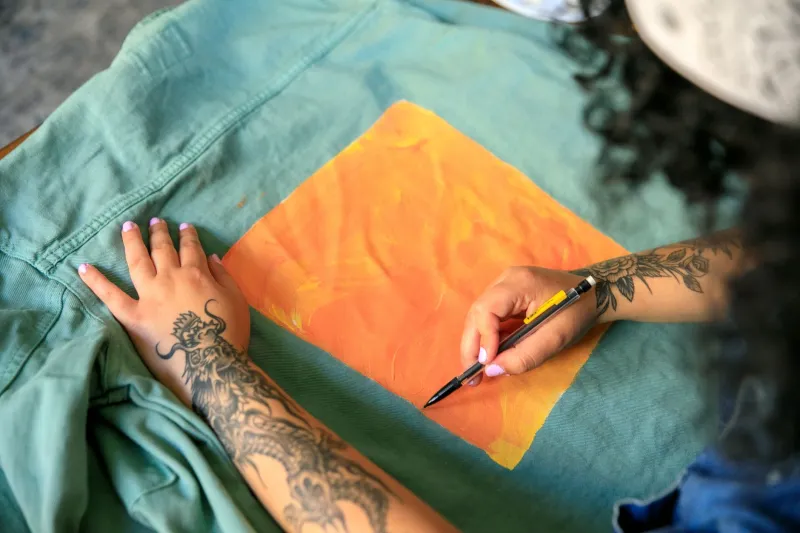
Somewhere in Ohio, a woman is wearing a denim jacket with a folded note inside the pocket. It's not a receipt. It's not a care instruction card. It's a paragraph, written in her maker's hand, about the day the jacket was finished — the rain outside the studio, the song that was playing, the fact that this was the 200th garment she'd sewn since starting her business from a kitchen table.
The woman who owns the jacket says she's read the note maybe forty times.
The Rise of the Story Tag
Ask around in the handmade clothing world and you'll hear the same thing: clients aren't just asking for custom fits anymore. They're asking for proof that a human was here. A signed label. A scrap of the original fabric, hemmed into the lining. A date, a name, a few lines about what the piece meant to the person who made it.
Makers have started calling them story tags, and they've quietly become one of the most requested details in custom work. Not the embroidery. Not the perfect fit. The note.
It's easy to dismiss this as sentimentality. But spend ten minutes talking to people who wear these garments and something bigger comes into focus: Americans are hungry for provenance. We want to know where things come from and who touched them, because for the last few decades, almost nothing we own could answer that question.
'I Wanted the Name of a Person, Not a Brand'
Marcus, a 34-year-old teacher in Atlanta, commissioned a hand-stitched chore coat last winter. When his maker asked if he wanted anything special, he didn't mention pockets or buttons. He asked her to sign the inside.
"I own a hundred shirts with logos on them," he told us. "Every single one is somebody else's name. This was the first thing I'd ever own with a real person's name on the inside. It changes how you treat it."
He's not wrong. There's a well-documented psychological pull toward objects with a human trace — the same reason a grandmother's handwriting on a recipe card outlives the recipe itself. A story tag turns a garment into correspondence. You're not just wearing a coat; you're wearing a message someone wrote specifically to you.
The Note Outlives the Stitching
Here's the part that surprised us most: wearers consistently say the tag matters more than the craft. Not that the stitching doesn't matter — but a jacket can be repaired. A note can't be recreated.
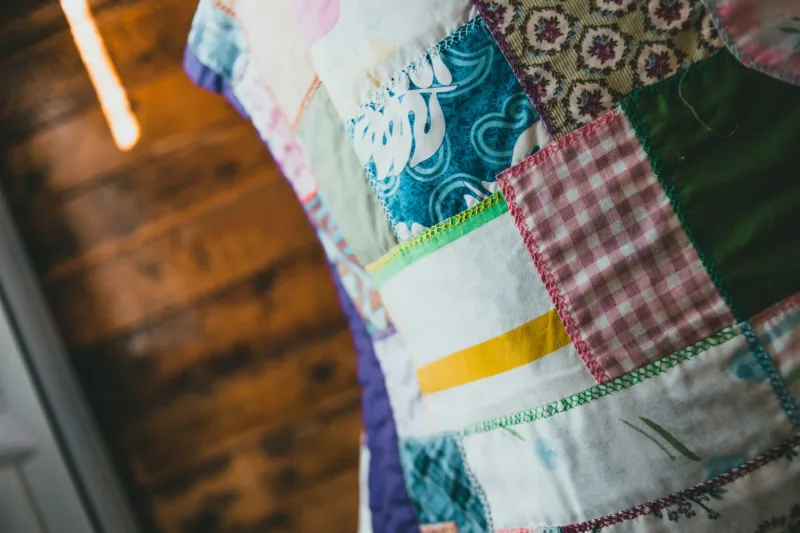
Dana, a retiree in Portland, had a quilted vest made from her late husband's flannel shirts. The maker sewed a small fabric swatch and a handwritten line into the inner hem: Made from the shirts he wore every Sunday. Take good care of them.
"The vest is beautiful," Dana says. "But if the house was on fire, I'm grabbing the note."
That's the thing about story tags — they're not really about the garment at all. They're about witnessing. Someone, somewhere, paid attention to the making of this object, and wrote it down. In a culture where most of our possessions arrive in anonymous cardboard boxes from warehouses we'll never see, that small act of documentation feels almost radical.
Provenance Is the New Luxury
Look at the broader culture and the pattern is everywhere. Auction houses now market the provenance of a jacket harder than its condition. Museums mount entire exhibits about the makers behind garments. Even the resale boom — Poshmark, Depop, your local vintage shop — runs on story. "Owned by" is worth more than "made by."
The story tag just brings that instinct home. It collapses the distance between maker and wearer to a few inches of fabric and a few sentences of ink.
And unlike a brand label, which tells you what a company wants you to believe, a story tag tells you what actually happened. The maker was tired that week. The fabric came from a mill in North Carolina. This was the first order after a slow month. It's the opposite of marketing, which might be exactly why it works.
Write It Down Before You Wear It
If you're commissioning a handmade piece, here's our take: ask for the story tag. Ask for the date, the maker's name, a line about the making. If you're a maker reading this, don't wait to be asked — start including them. Future you, and whoever inherits that garment decades from now, will be glad you did.
Because clothes fade, seams give way, styles circle back around. But a note in the lining? That's the part that never goes out of production.