The Wait Is the Work: What Months of Anticipation Actually Does to How You Wear Things

We have built an entire economy around the elimination of waiting. Same-day delivery. Instant download. Two-hour fulfillment windows. The baseline expectation for most American consumers in 2024 is that desire and acquisition should be separated by as little friction — and as little time — as possible.
And then there's the handmade clothing experience, which operates on a completely different clock.
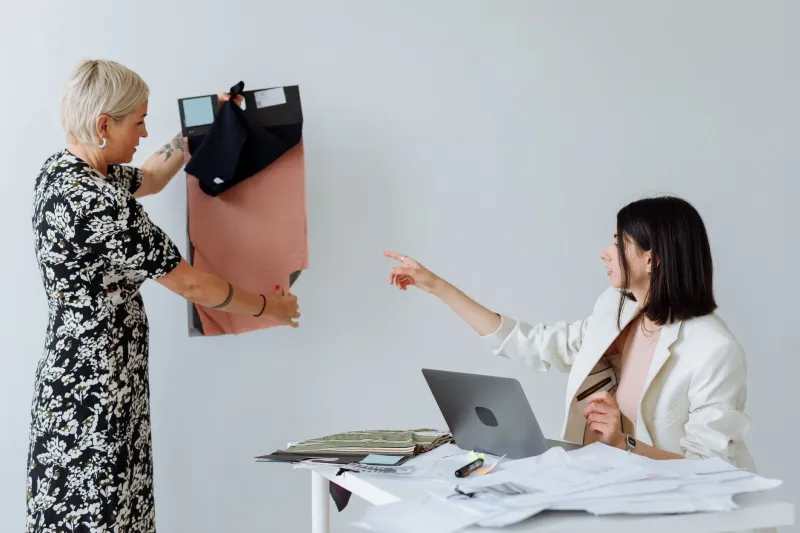
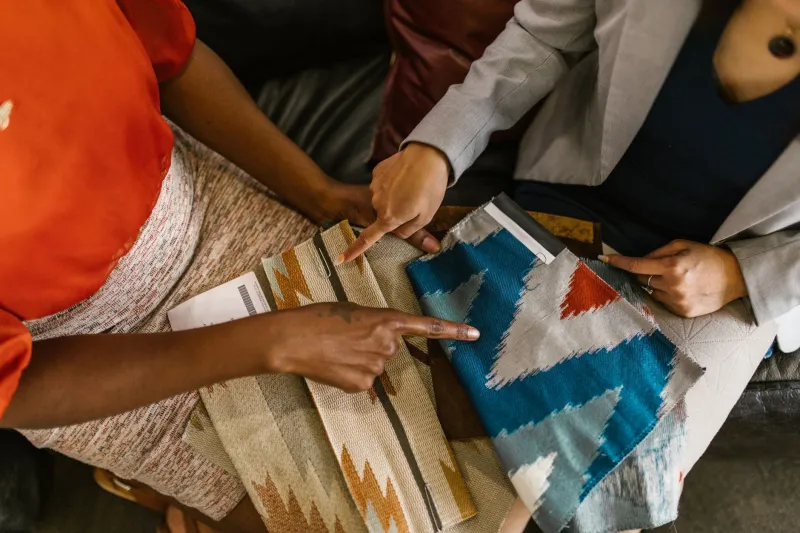
When you commission a custom, hand-crafted garment, you might wait four months. You might wait six. In some cases, for particularly complex pieces or makers with long waitlists, you're looking at closer to a year. You pay a deposit, you have your consultation, you exchange measurements and fabric swatches and reference images — and then you wait.
From a modern consumer psychology standpoint, this should be a disaster. Everything we've been taught about purchase behavior says that the longer the gap between desire and fulfillment, the greater the risk of buyer's remorse, abandonment, and dissatisfaction. Friction kills conversion. Speed drives loyalty.
Except that's not what happens. Not even close.
What the Research Actually Says About Waiting
Behavioral economists have been studying the relationship between anticipation and satisfaction for decades, and the findings consistently complicate the "faster is better" narrative.
One of the most durable findings in this space is that anticipated pleasure — the joy of looking forward to something — is neurologically distinct from the pleasure of actually receiving it. When you're anticipating something you genuinely want, your brain's reward circuitry activates in ways that are, in some respects, more sustained and more intense than the moment of receipt itself. The wanting, it turns out, has its own neurological payoff.
This is part of why the experience of waiting for a handmade piece feels qualitatively different from the experience of, say, waiting for a delayed Amazon shipment. One wait is an obstacle. The other is part of the product. The anticipation of a handmade piece you've co-created — one that you've had input into, that you know is being made specifically for your body and your preferences — is active and pleasurable in a way that passive waiting simply isn't.
You think about it. You imagine wearing it. You find yourself mentally building outfits around something that doesn't exist yet in your closet. By the time it arrives, you've already lived with it for months.
The Pre-Digital Consumer and What We've Lost
There's a generational dimension to this worth sitting with. Before mass production and the rise of off-the-rack retail, waiting for clothing was simply normal. You went to a tailor or a dressmaker, you were measured and consulted, fabric was ordered, and you came back weeks later for fittings. The garment arrived in your life slowly, with your involvement at every stage.
This wasn't experienced as a deficiency. It was the baseline relationship between people and their clothing. You knew what you were getting because you'd been part of making it. You valued it accordingly — not just because it cost more, but because you'd invested time and attention in it.
The shift to instant retail didn't just change how fast we get clothes. It changed our entire orientation toward them. When acquisition is frictionless, it's also consequence-free. You buy something, it doesn't work out, you return it or donate it or forget about it in the back of a closet. No harm done. But also no attachment formed. The garment never had a chance to matter.
The handmade timeline reverses this. It reintroduces the friction deliberately, and in doing so, it reintroduces the investment.
How Anticipation Changes Care Behavior
Here's something makers notice consistently: customers who've waited months for a piece treat it differently from the moment it arrives.
They read the care instructions. They think about storage. They don't throw it in the wash on a hot cycle without checking. They're more likely to repair minor damage early rather than letting it accumulate. They wear it for specific occasions rather than habitually grabbing it as a default.
This isn't just conscientiousness. It's attachment, and it's been earned through time. The waiting period creates what psychologists sometimes call "psychological ownership" — a sense of connection to an object that precedes and exceeds its physical possession. By the time the piece arrives, you already feel like it's yours in a way that an item pulled from a rack and purchased in three minutes simply cannot be.
This has real downstream effects on how long the garment stays in your wardrobe and how it's used. Handmade pieces that have been anticipated tend to become genuine wardrobe anchors — the things you reach for when you want to feel like yourself, the things that survive multiple rounds of closet editing while other purchases come and go.
The Mindfulness Angle (Without the Eye-Roll)
I know "mindfulness" has been so thoroughly co-opted by wellness marketing that it can be hard to use the word without bracing for a detox ad. But the concept is genuinely relevant here, stripped of its commercial packaging.
Mindfulness, at its core, is about sustained attention — about being present with your experience rather than rushing past it toward the next thing. The handmade clothing timeline enforces a version of this whether you want it to or not. You can't rush the maker. You can't overnight the process. You have to sit with the wanting, and in sitting with it, you learn something about what you actually want and why.
A lot of people who've been through this process describe it as clarifying. You find out whether you actually love the piece you commissioned or whether you were chasing a feeling. You discover what you're drawn to when you have time to think rather than react. You start to understand your own style more deeply because you've had to articulate it to another person and then live with that articulation for months.
That's not a side effect of the handmade experience. It's one of its core offerings.
The Arrival, and After
And then the package comes. Or you pick it up. And it's real, and it fits, and it's exactly what you imagined and also nothing like what you imagined because it's better — because it's actual, not anticipated.
People describe this moment in terms that feel outsized for a clothing delivery. Tears aren't uncommon. Neither is the impulse to immediately put it on and not take it off for the rest of the day. The arrival of a long-awaited handmade piece has a ceremonial quality that no amount of same-day shipping can manufacture.
And then you wear it. And you keep wearing it. And five years from now, it's still in your closet — still fitting, still meaning something, still carrying the memory of the wait that made it matter.
The wait, it turns out, isn't the cost of getting something handmade. It's part of what you're paying for. And it might be the most valuable part of all.